
Why You Cannot Separate a Language From Its Culture
How culture shapes what a language can express, why understanding context deepens fluency, and how to learn the worldview behind the words you study.
 Kenji Watanabe
The library
Every guide we've published, newest first. 30 in-depth articles on focus, tools, remote work, and digital wellbeing.
How culture shapes what a language can express, why understanding context deepens fluency, and how to learn the worldview behind the words you study.
Kenji Watanabe

Why living abroad does not guarantee fluency, how the English-speaking expat bubble traps you, and how to build a life that forces the language daily.
 Noah Bergström

How to push past ordering coffee into real conversations on a trip, handle the moment locals switch to English, and turn travel into months of practice.
Kenji Watanabe

The compact set of phrases that get you through a trip, how to learn them fast, and how to use them so locals respond in the language instead of switching.
Kenji Watanabe

Why literal translation fails with idioms, how to learn expressions in context instead of memorizing lists, and which everyday phrases are worth knowing first.
Kenji Watanabe

Why some foreign words look familiar but mean something else entirely, the most common false friends that cause embarrassment, and how to stop them tripping you up.
Kenji Watanabe

Why fluent words can still offend, the etiquette around formality, gestures and greetings, and how to read cultural context so you connect instead of clash.
Kenji Watanabe

How shadowing native audio trains your mouth and rhythm at once, a step-by-step way to practice it, and the mistakes that make it feel useless.
Kenji Watanabe

What an accent actually signals, when reducing it is worth the effort and when clarity matters more, and how to sound natural without chasing native perfection.
Kenji Watanabe

Why fast natural speech feels impossible and how to train your ear, from slowed listening to active recall, until real conversations stop sounding like a blur.
Kenji Watanabe

Why translating in your head slows you down, how to build an inner monologue in the language, and daily exercises that move you from converting to thinking.
Kenji Watanabe

Where to find conversation partners and tutors, how to run an exchange so both sides benefit, and how to keep sessions useful instead of awkward small talk.
Kenji Watanabe

Why pronunciation is easiest to fix at the start, how to train sounds your language lacks, and simple drills that make you clearer without years of practice.
Kenji Watanabe

Why speaking feels terrifying even when you know the words, how to lower the stakes of your first conversations, and a step-by-step way to build real confidence.
Kenji Watanabe

How to turn YouTube into a structured learning tool, what kinds of channels actually teach, and how to avoid passively watching without absorbing anything.
Kenji Watanabe

A simple framework for picking the right mix of app, course and input for your level and goal, so you stop collecting tools and start making real progress.
 Amara Diallo

A curated set of genuinely free tools, from public radio to open courses and libraries, that often outperform subscriptions if you know how to combine them.
Amara Diallo
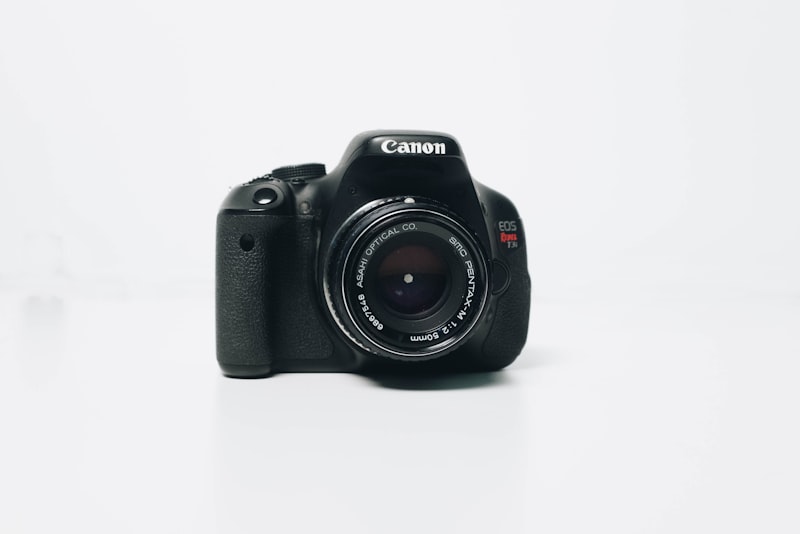
Why a good dictionary beats a translation app, how to use each without crutching, and the lookup tools that actually help you understand instead of just guess.
Amara Diallo
How to pick podcasts at your level, the difference between learner shows and native content, and a listening method that turns commutes into real practice.
Kenji Watanabe

When a paid course genuinely beats free resources, what you are really paying for, and how to judge a structured program before you hand over your money.
Amara Diallo

How the two most popular flashcard tools differ in scheduling, customization and cost, which fits casual learners, and which rewards the time it takes to learn.
Amara Diallo
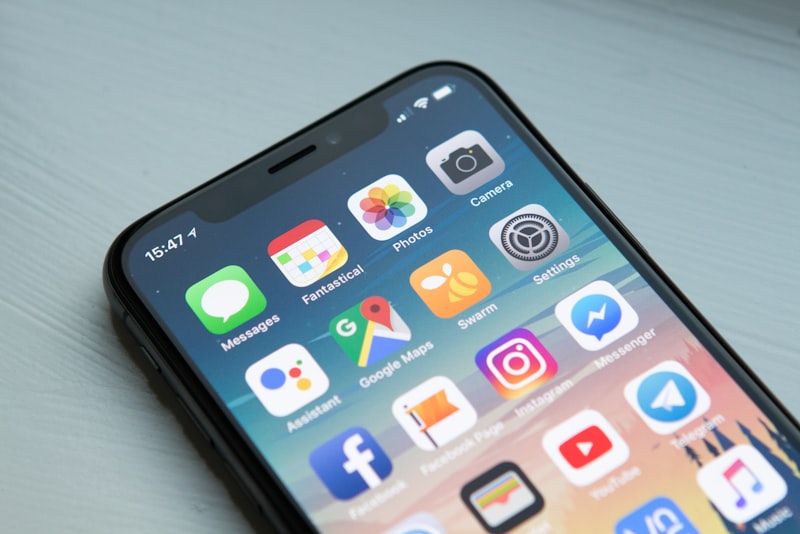
A no-nonsense look at the major language apps, what each one is genuinely good for, where the gamification misleads you, and which learner each app actually suits.
Amara Diallo

Practical ways to surround yourself with a language at home, from switching your phone and media to building daily contact, so input keeps happening without travel.
Amara Diallo

Why motivation fades months into learning, how to set goals that pull you forward, and small systems that keep you going when the novelty has worn off.
Noah Bergström

Which to prioritize early, when grammar study pays off and when it wastes time, and how to balance rules and words so you can speak sooner instead of stalling.
Amara Diallo

Why progress stalls at the intermediate stage, how to diagnose what is actually holding you back, and concrete ways to push from comfortable into genuinely advanced.
Noah Bergström

How to design a daily language habit around a busy schedule, anchor it to existing routines, and recover after you miss days without quitting entirely.
Amara Diallo

What comprehensible input means, why understanding slightly-above-your-level material drives progress, and how to find input you can actually follow on day one.
Noah Bergström

How spaced repetition actually moves words into long-term memory, why review timing matters more than effort, and how to build a deck you will actually keep reviewing.
Amara Diallo

A realistic self-study roadmap from absolute beginner to conversational, covering what order to learn things in, how much daily time you really need, and the traps that stall most learners.
Noah Bergström